



Craftsman U · Online course
Give your old windows a finish you can maintain.
You scrape. You sand. You paint. When it peels again, you get to do it all over.
Linseed oil paint gives you another way to care for the wood. A sound finish can be cleaned and refreshed as it weathers, keeping the coating that is still doing its job.
But you have to use it differently. Put it on like the paint you’re used to, and you can end up with thick coats that stay sticky.
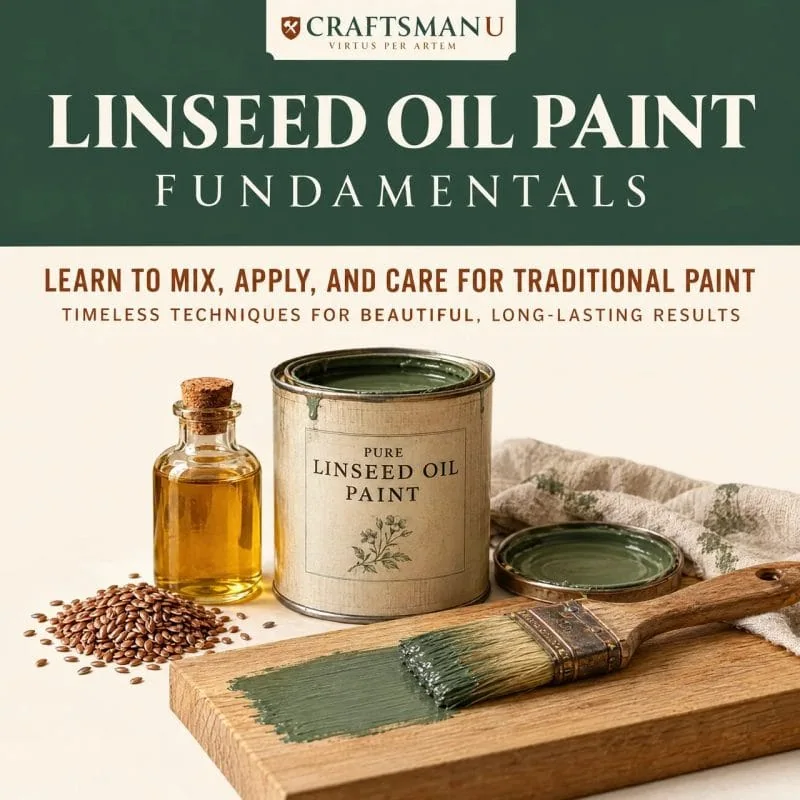
In this course, paintmaker Michiel Brouns and restorer Scott Sidler show you why linseed paint belongs on the shortlist for your old windows, how to apply it, and how to keep the finish working.
11
video lessons
2 hr 43 min
at your own pace
Lifetime
course access
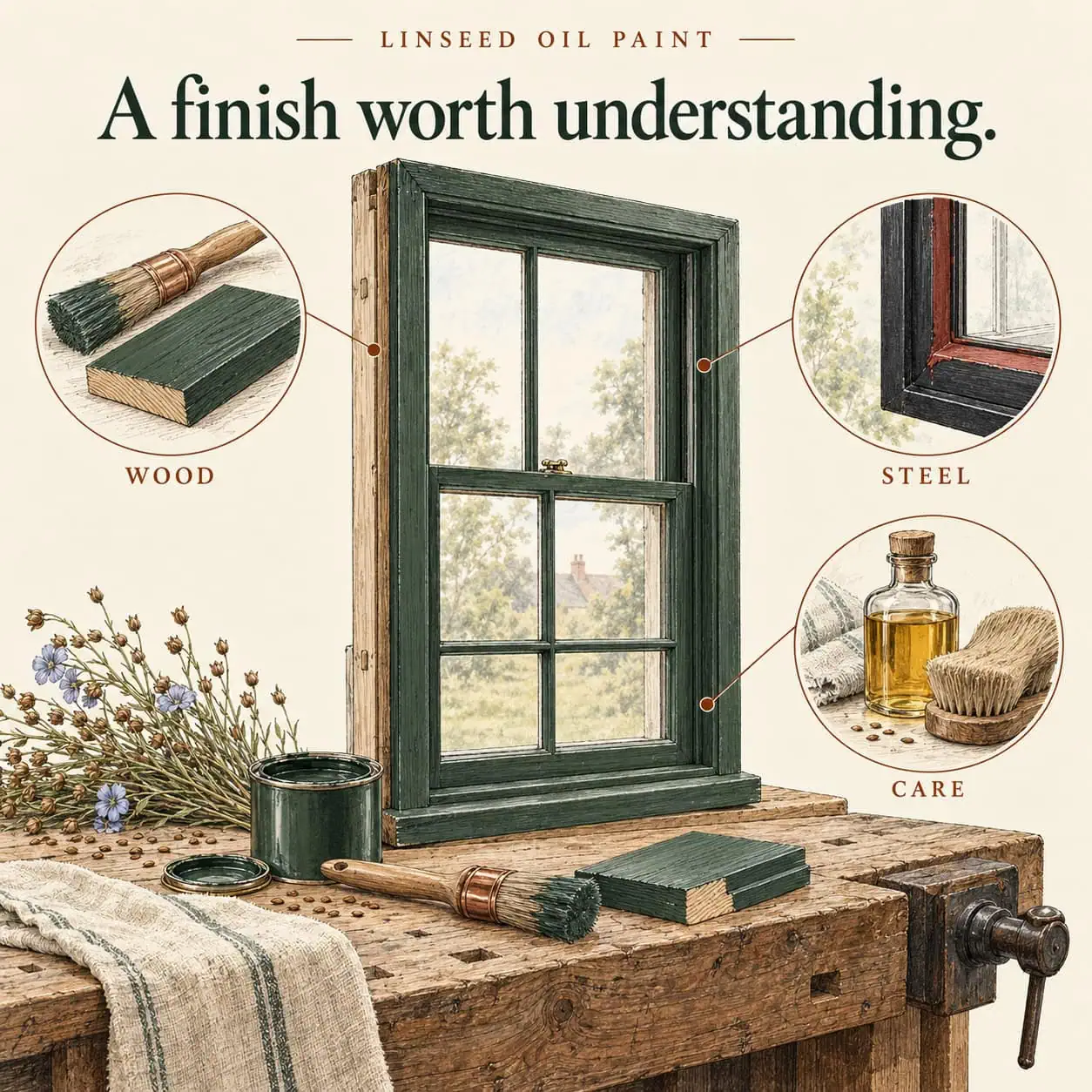
Wood + steel
painting demonstrations

A trash bag keeps the rain out. You still end up wet.
Go for a run in the rain wearing a trash bag. The rain stays outside. Your sweat stays inside. You’re soaked anyway.
That’s the problem Michiel wants you to see when he peels a failed coating off an old door in Lesson 4. Keeping rain off the surface is only half the job. Moisture that gets behind the paint needs a way back out.
Old windows and doors move. Joints open. Water finds a way in. If the wood stays wet, peeling paint can become the least of your problems.
The question is bigger than “Will this paint stick?” It’s “What happens to the wood underneath?”
Start with what’s happening under the paint.
Linseed paint can let moisture escape through the coating. Existing layers and the condition of the wood matter, too. Michiel uses the door to show what has failed, what can stay, and why another coat alone won’t fix the cause.
If it’s so good, why did we stop using it?
Modern paints offered real conveniences: faster drying and easier tinting. It’s easy to see the appeal.
But getting a paint job finished quickly and looking after a century-old window are different things to judge a paint by.
This course gets into the tradeoffs. How does the coating handle moisture? What happens as it weathers? What will you have to do when it needs attention?
You can choose a paint for the window you want to keep, instead of reaching for the can you’ve always used.
Keep the sound finish. Renew what’s weathered.
Here’s the reason to take linseed paint seriously: a sound coating that has dulled can often be cleaned and refreshed with maintenance oil. A more weathered area may need fresh paint.
You’re caring for the finish already on the wood. You don’t automatically have to strip it all off and start again.
It still needs attention. Sun, weather and exposure affect how it ages. Lesson 10 shows you what to watch for and how to decide what it needs.
That’s work worth learning if you’ve already spent a weekend scraping one sash.
What you’ll learn before you paint your own windows.
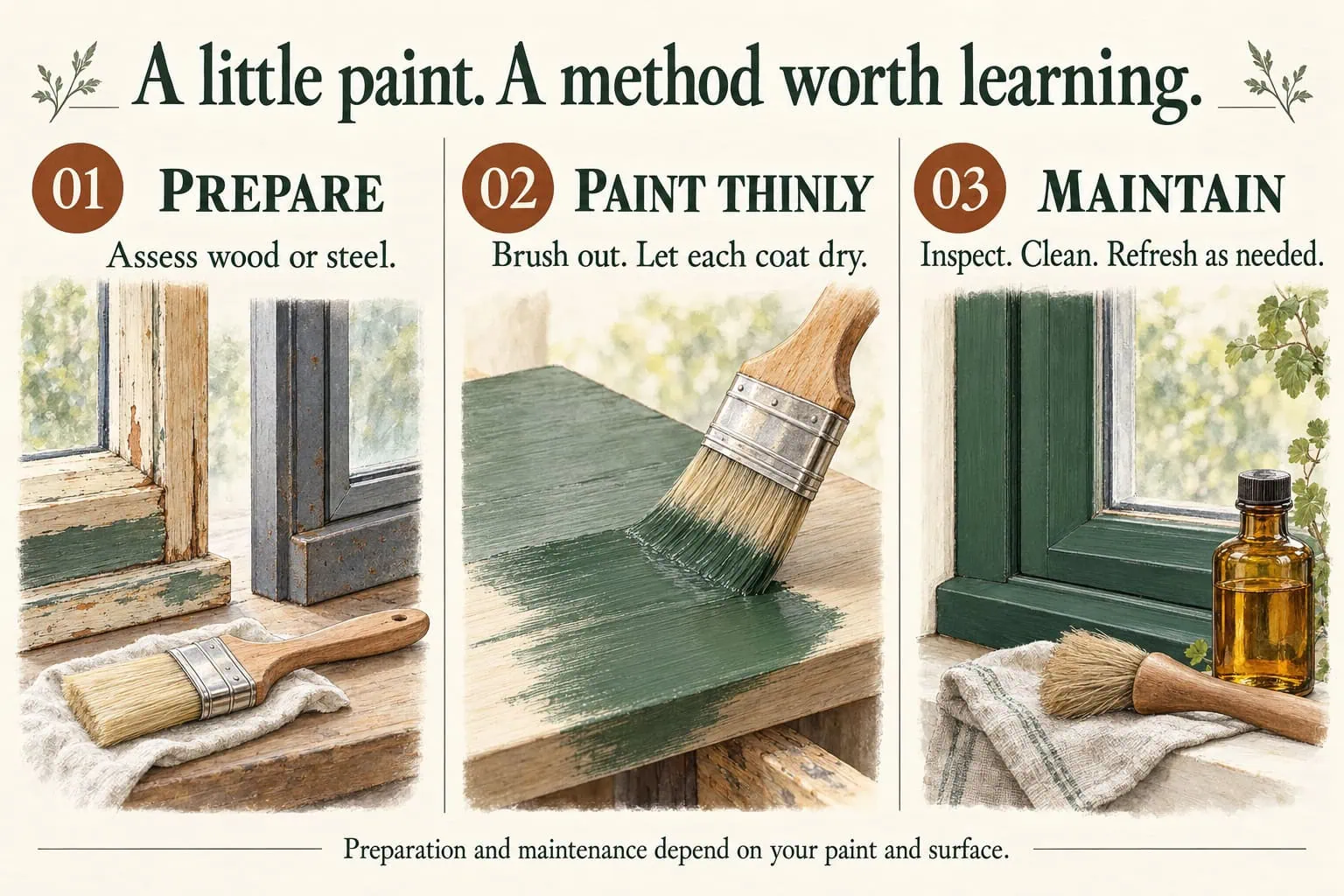
“Apply thin coats” sounds simple. It leaves a lot unanswered when you’re standing over a wet sash with a brush in your hand. These are the calls the course helps you make.
Is linseed paint right for this job?
Look at the wood, the existing coatings and the work ahead. Understand why Scott uses linseed paint on some projects and keeps modern paint on others.
Lessons 4 + 11
Does all this old paint have to come off?
See Michiel assess the old door and explain when sound historic primer can stay. Know what you’re trying to remove before you spend hours removing everything.
Lesson 4
How thin is thin enough?
Watch how much paint goes on the brush, how he spreads it and how he lays it off. See the technique on bare wood and on a steel casement.
Lessons 8 + 9
Is this patchy coat a problem?
Come back to the board the next day. See the uneven sheen and hear why Michiel isn’t rushing to cover it with a heavy coat.
Lesson 8
Why is this taking so long to dry?
Understand how heavy coats and rushing the next coat create trouble. Learn what to check before deciding the answer is more paint.
Lessons 8, 9 + 11
Does it need oil or another coat?
Learn to read a weathered finish. Know when cleaning and maintenance oil may be enough, and when fresh paint makes more sense.
Lesson 10
See what a thin coat actually looks like.
Buying the paint doesn’t teach you how to use it. And a written instruction can’t show you the amount on a brush or the look of a coat the next morning.
Michiel paints. Scott asks the questions. You see the work as they talk through it, including the moments when adding more paint would be the wrong move.
From Lesson 8: preparing and painting bare wood
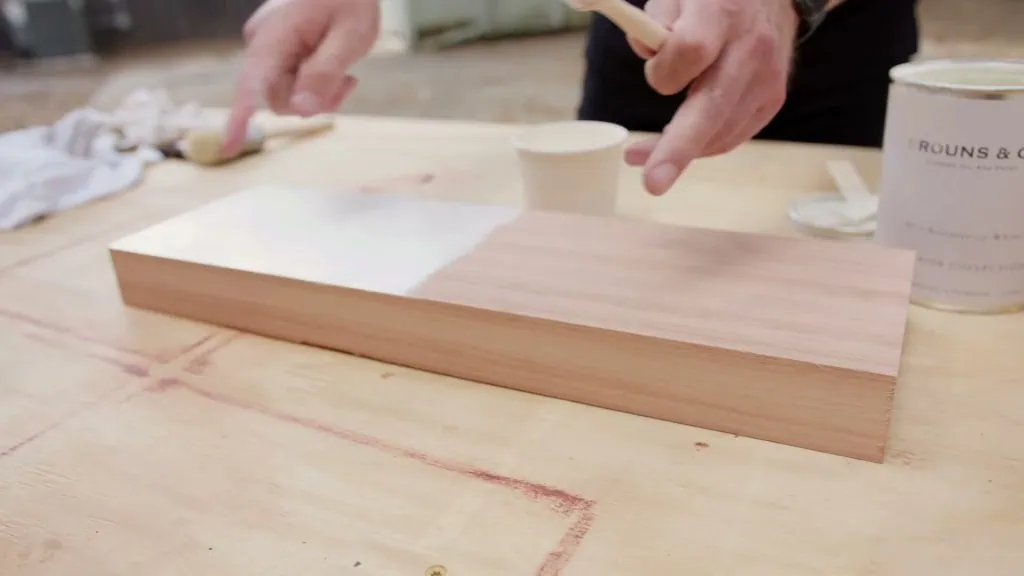
01
Put less on. Work it farther.
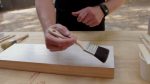
Watch Michiel work primer into bare wood. See the amount he starts with and how far he spreads it before loading the brush again.
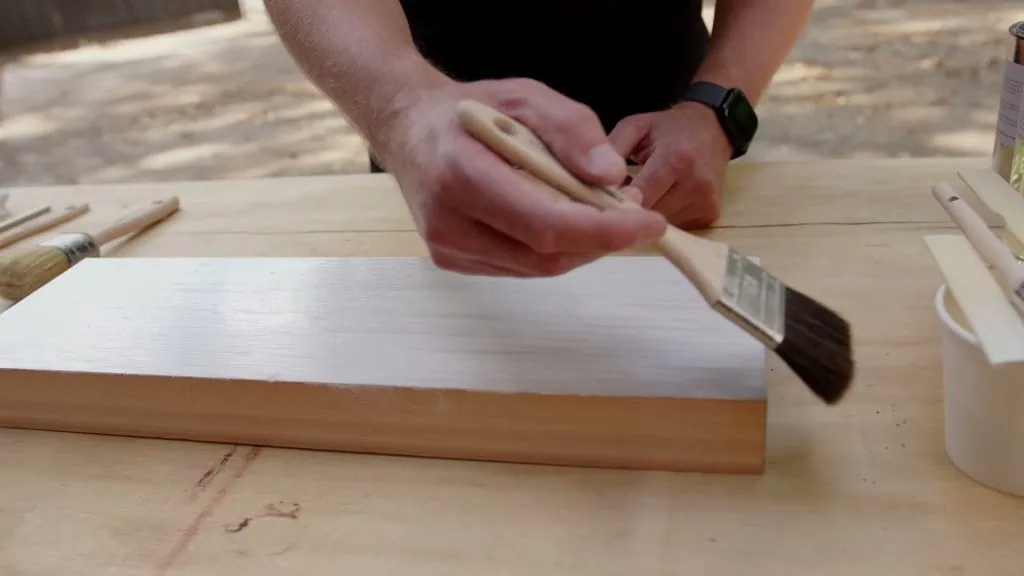
02
Know when to put the brush down.
He lets the coat settle, then returns with a soft laying-off brush. You see the timing and the light touch he uses to smooth it.
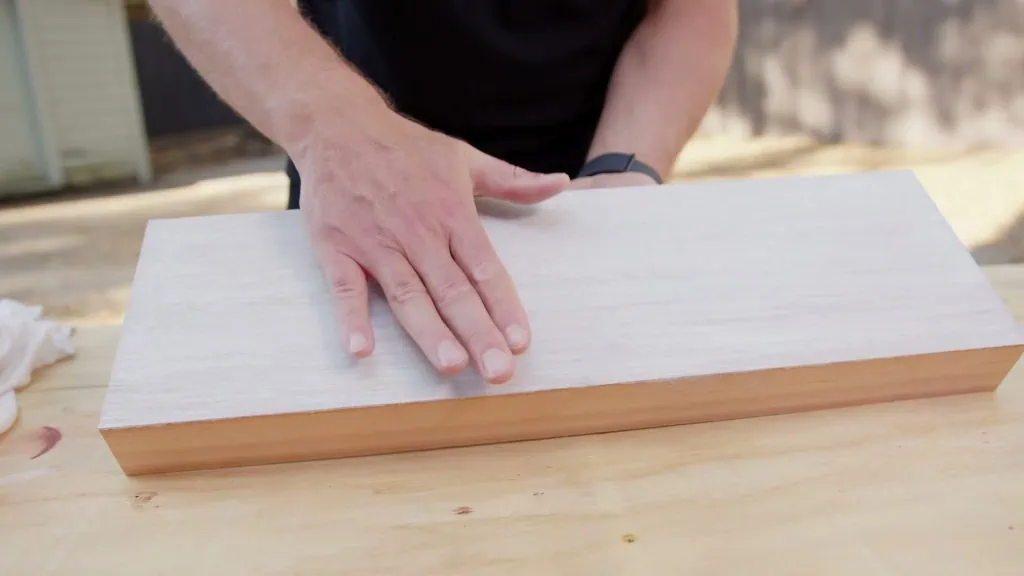
03
Check the coat the next morning.
The board doesn’t have an even sheen yet. Michiel explains what you’re looking at, so a patchy early coat doesn’t send you straight back to the can.
Painting steel? Watch that job, too.
A steel casement doesn’t absorb paint like a wood sash. The prep and primer change with it.
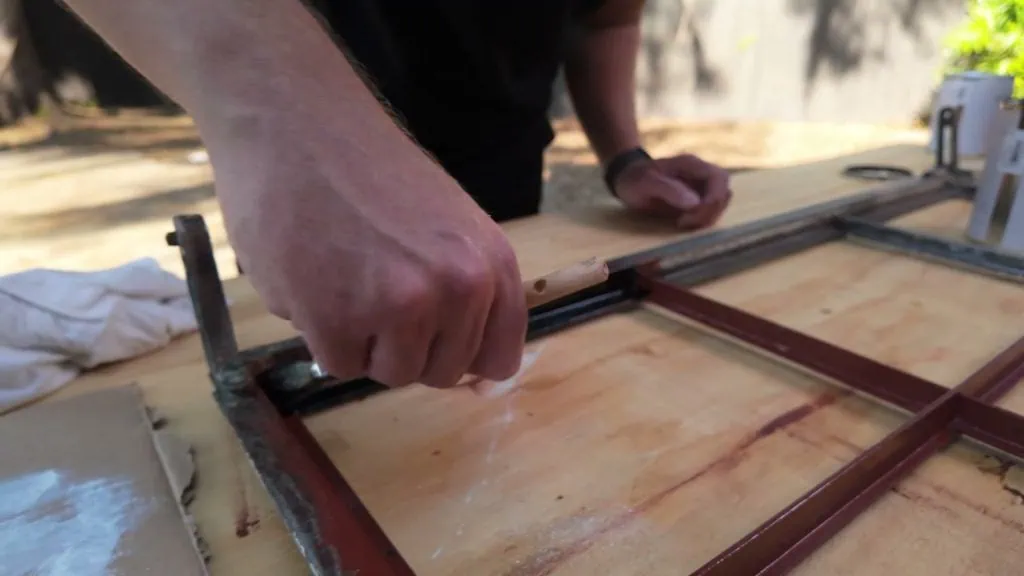
Lesson 9 follows rust treatment, red iron oxide primer and black finish coats. You see how Michiel applies and judges the paint on steel, instead of trying to borrow every step from the wood demonstration.
The man who makes the paint. The restorer asking your questions.

Scott Sidler
Scott restores old buildings through Austin Historical and teaches old-house owners at The Craftsman Blog. He asks the practical questions: Can that old primer stay? Why does this coat look uneven? When would you use a different paint?
Michiel Brouns
Michiel makes linseed oil paint at Brouns & Co and wrote Linseed Paint and Oil. He shows how he uses his paint, explains what’s happening on the surface, and points out the mistakes that make the job harder.
You get to hear the answer while you’re looking at the work.
Curriculum · 11 video lessons · 2 hr 43 min
Here’s what’s inside.
Understand the paint
- 1Where to start6:45
- 2What’s in linseed oil paint16:32
- 3Why pigment matters5:44
- 4Linseed vs. modern coatings19:01
Prepare and paint
- 5Safety2:17
- 6Oakum, putty and repairs12:15
- 7Colors and sheen6:27
- 8Preparing and painting bare wood23:37
- 9Preparing and painting steel21:32
Keep it working
- 10Maintenance8:23
- 11Your questions answered40:18
Start with why the paint behaves differently. Then watch the application and maintenance lessons. With lifetime access, you can come back to the exact step you need on your next project.
Included: your six-sheet Linseed Oil Paint Field Guide
Keep the method beside your project. Your course includes six printable reference sheets to help you make decisions, gather supplies and work through the painting process.
- Is Linseed Oil Paint Right for This Job? A checklist for choosing your paint system.
- Application Cheat Sheet for Wood The preparation and coating sequence in one place.
- Application Cheat Sheet for Steel A reference for ferrous-metal preparation and painting.
- Project Supply List Gather the tools and materials before you begin.
- Troubleshooting Guide Check common problems before adding another coat.
- Maintenance Inspection Card Record the condition of your finish and plan its care.
Download one PDF with all six sheets or a ZIP of the individual PDFs. A separate Start Here guide explains how to sign in to your Teachable course. Your download links arrive in your Heritage Supply order email after payment; customers with a store account can also find them in My Account → Downloads.
Before you enroll.
Is this for me if I’ve never used linseed oil paint?
Yes. The course starts with what the paint is and why you might choose it, then shows the application. It’s for old-house owners and people working on wood windows, doors or steel casements who want to understand the coating before they use it.
I already know how to paint. Why take a course?
Because the habits that work with your usual paint can cause trouble here. Trying to get full coverage with a heavy coat, rushing the next coat, or treating an uneven sheen as a mistake can create extra work. You see how Michiel handles those moments on wood and steel, and hear why.
Will this teach me to restore an entire window?
This course covers the paint: choosing it, preparation, application and maintenance. It also discusses putty and repairs, but it is not a complete sash-restoration course. For the full restoration process, see the Windows Restoration Mastery Course.
Can I use it over the paint I already have?
Sometimes. The existing coating and its condition determine the prep. In Lesson 4, Michiel shows why sound historic primer may stay under the new finish. In the Q&A, Scott explains why he kept modern paint on his layered siding. Putting linseed paint over another coating doesn’t remove the layers underneath it.
What if I’ve heard it stays sticky or takes forever to dry?
That’s one of the reasons to learn the method before you start. Heavy coats can cause drying problems, and conditions matter. The demonstrations show how little paint Michiel uses and how he judges the surface. Follow your paintmaker’s drying instructions; this is a paint you need to give time between coats.
Will I still have to maintain the paint?
Yes. The benefit is being able to care for a sound finish as it weathers. Lesson 10 covers cleaning, refreshing with maintenance oil and deciding when fresh paint is needed. Exposure and condition determine the work. This is not a promise that you can paint once and forget it.
Which paint is used? Are paint and tools included?
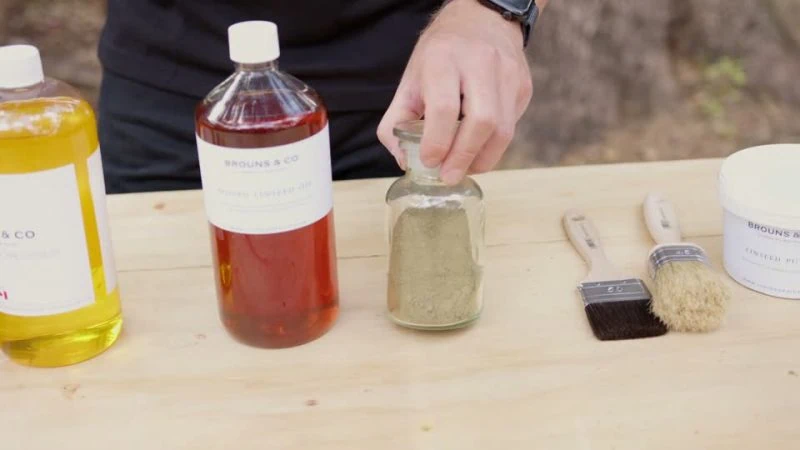
Michiel demonstrates with Brouns & Co. Paint and tools are purchased separately; Heritage does not currently sell linseed oil paint. Use your own paintmaker’s instructions for mixing, preparation and application rather than assuming every brand uses the same recipe.
How much time do I need, and where do I watch?
The eleven video lessons run about 2 hours and 43 minutes altogether. Watch on Teachable at your own pace, with lifetime access. You can watch the course in order and return to individual lessons as you work.
What if the course isn’t right for me?
You have 30 days to request a refund if the course isn’t right for you.
Enrollment
Learn the method before the first coat.
You’re putting time into keeping these windows. Give the paint the same thought you give the repairs.
Learn what belongs on the wood, watch the coats go on, and know how to care for the finish afterward. Eleven lessons with the paintmaker and the restorer. Yours to revisit when you need them.
Linseed Oil Paint Fundamentals Course
$179.99
One payment · Lifetime access
11 video lessons · About 2 hr 43 min
Wood and steel demonstrations
Includes six printable field guides + a Start Here access guide
Need tools for the prep?
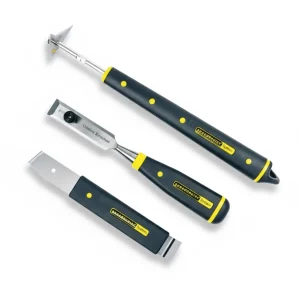
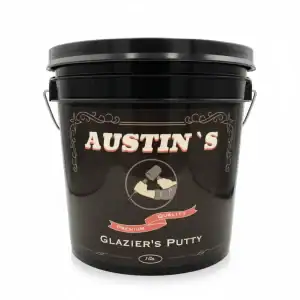
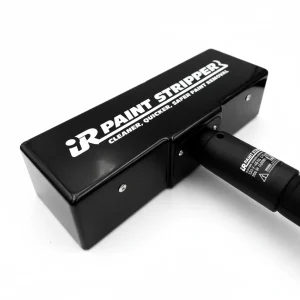
Removing old coatings or reglazing a sash? Heritage carries the IR Paint Stripper, Speedheater Window Tool Kit and Austin’s Glazier’s Putty. Follow each product’s directions for preparation and paint-ready timing.